




Who is Villa Raiano?
- Villa Raiano
- Villa Raiano is a highly renowned, organically certified winery from the Irpinia region of Campania, which, under the leadership of the Basso family, produces distinctive wines of origin from indigenous grape varieties such as Fiano, Greco, Falanghina and Aglianico.
Key facts at a glance
| Feature | Details |
|---|---|
| Founder & owner | Basso family (founded in 1996) |
| Region & origin | Irpinia, Campania (San Michele di Serino, Avellino) |
| Cultivation philosophy | 100% organic viticulture (certified) |
| Main grape varieties | Fiano, Greco, Falanghina, Coda di Volpe, Aglianico |
| Special features | Green-roofed winery, single-vineyard crus (e.g. Ventidue) |
Buy Villa Raiano wine – masterpieces of Campania at the VINELLO Shop
If you want to experience untouched, alpine southern Italy in your glass, you should now discover fine wines from Villa Raiano at VINELLO. Located in the cool hills of the Irpinia region, the Basso family creates wines that delight with their impressive minerality, elegance and freshness. If you would like to order your favourite wine from us, you are choosing uncompromising organic quality from our own warehouse, with guaranteed fast delivery.
The vines thrive on nutrient-rich limestone, clay and volcanic soils at elevations of up to 650 metres. The pronounced temperature differences between hot summer days and cool nights give the grapes a balanced acidity and wonderful aromatic diversity. In our transparent price list, you will find everything from fresh all-rounders to single-vineyard wines, clearly arranged.

Order Villa Raiano wine online: diversity of terroir & organic passion
Those who choose fine wines from Villa Raiano in the Shop are opting for a sustainable philosophy in harmony with nature. The imposing winery blends seamlessly into the green hilly landscape and uses modern, gentle methods for transporting the grapes. A closed organic cycle forms the foundation for the outstanding precision of the wines.
- Choice vineyards: The parcels are spread across the finest micro-terroirs of Irpinia in the municipalities of Lapio, Montefalcione, Tufo and Castelfranci.
- Gentle ageing: Through the targeted use of stainless steel, the white wines retain their radiant minerality and primary fruit.
- Patient maturation: The powerful red wines made from Aglianico grapes mature slowly in wooden barrels and develop profound silkiness.

The liquid essence of Irpinia: A journey to Villa Raiano
There are landscapes in Italy that do not immediately reveal their secrets, but invite you to discover them. Far from the crowded coastal stretches of the Amalfi Coast and the vibrant streets of Naples, a region of sublime, almost mystical beauty extends across the mountainous interior of Campania: Irpinia. Here, where gentle chains of hills give way to spectacular mountain ranges, cool winds sweep through the valleys and dense oak and chestnut forests shape the landscape, the green heart of southern Italian viticulture beats.
Irpinia is a land of contrasts. The meeting of Mediterranean sunshine and an alpine microclimate creates a unique magic that is reflected in nature’s produce. Amid this breathtaking setting stands a modern architectural jewel that seems to merge completely with its surroundings. We are talking about a winery that, more than almost any other, represents the renaissance, elegance and uncompromising fidelity to terroir of southern Italian fine wines. It is a place where tradition and the spirit of the age meet to create wines of international renown.
Introducing: Villa Raiano
Villa Raiano winery is an established name and a shining synonym for fine organic wines from Irpinia. Its success story began in 1996, when the Basso family – namely brothers Sabino and Simone Basso, together with their brother-in-law Paolo Sibillo – developed the vision of making the enormous potential of Irpinia’s native grape varieties visible and tangible at the highest level. The name derives from the historic Raiano district in the municipality of Serino, where the original family residence and the first wine cellars were located.
A milestone in the history of the estate was the construction of the new, architecturally impressive winery in 2009. Located on a gentle rise in San Michele di Serino (Avellino province), the ultramodern building blends seamlessly into the topography of the hills. The roof is completely covered with greenery and integrates organically into the vineyard landscape. With around 27 hectares of estate-owned vineyards extending across the finest single-vineyard sites in the Fiano di Avellino, Greco di Tufo and Taurasi subregions, the estate processes exclusively its own organically grown grapes and produces approximately 300,000 bottles of fine wine every year.

Villa Raiano’s philosophy: quality, sustainability and respect for nature
Villa Raiano’s philosophy can be summed up in one guiding principle: minimal intervention for maximum expression of terroir. At Villa Raiano, wine is not viewed as a product of human ingenuity, but as an authentic gift from nature that should only be carefully guided in the cellar.
The green soul and organic farming at Villa Raiano
Villa Raiano is one of the pioneers of sustainable viticulture in Campania. For many years, all vineyards have been cultivated in accordance with strict certified organic guidelines. Synthetic sprays, herbicides and chemical fertilisers have been consistently banned. Instead, cover crops are planted between the vine rows to promote biodiversity, enrich the soil with natural nitrogen and provide a habitat for beneficial organisms.
Respect for the identity of the terroir
At Villa Raiano, there is a deep conviction that great wine is made in the vineyard. The selection of sites is carried out with scientific precision. Each individual parcel is harvested and vinified separately in order to make the specific soil characteristics and the respective microclimate perceptible in the finished wine. Gentle winemaking aims to bring the fresh acidity, mineral elegance and natural aromatic diversity of the indigenous varieties into the bottle in an unaltered form.
The wine-growing region and its special features: Campania & Irpinia
Campania is one of the most historically significant wine-growing regions on earth. The ancient Greeks brought fine grape varieties to this region, and the Romans celebrated the local wines as nectar of the gods. Yet while many regions of southern Italy are known for full-bodied, alcohol-rich red wines, inland Irpinia occupies a unique position. It is the cool heart of Campania, renowned for its breathtaking freshness, longevity and finesse.
Villa Raiano’s vineyards are located at elevations between 300 and 650 metres above sea level. The geographical and climatic conditions are unique in southern Italy:
- The continental microclimate: Although geographically located in the south, Irpinia has a predominantly continental climate. Winters are cold and often snowy, while summers are warm but rarely oppressively hot.
- Large differences between day and night temperatures: The extreme temperature fluctuations between day and night in late summer ensure that the grapes retain their acidity and develop an exceptionally complex range of aromas.
- Adequate rainfall: The surrounding mountain ranges catch the clouds, making Irpinia very rainy compared with the rest of southern Italy. This protects the vines from drought stress and enables an even, extended ripening period.
The importance of the soils at Villa Raiano: At Villa Raiano, soil is not simply a foundation, but the most important carrier of flavour. Irpinia’s geological formation is shaped by the region’s volcanic past and prehistoric marine deposits:
- Volcanic ash and pumice: Historical eruptions of Mount Vesuvius deposited layers of fine ash, pumice (lapilli) and tuff over thousands of years. They lend the wines a distinctive smoky-mineral note.
- Limestone and clay: In many sites, the vines encounter clay soils rich in limestone. Clay stores moisture for hot summer days, while limestone gives the wines their firm structure, elegance and gripping salinity on the palate.

Villa Raiano’s vineyard sites and grape varieties
Villa Raiano owns vineyards in Irpinia’s three most prestigious DOCG appellations. The parcels are mosaic pieces of a richly structured cultural landscape:
- Montfredane & San Michele di Serino (DOCG Fiano di Avellino): At an elevation of around 500 to 550 metres, Fiano vines grow here on deep loamy and clay soils with a limestone subsoil. These sites give the wines structure, delicate hazelnut aromas and a creamy texture.
- Montefredane & Lapio: Lapio is considered the historic heart of Fiano cultivation. Its steep sites are characterised by limestone- and marl-rich subsoils that produce wines of immense freshness, floral poetry and outstanding ageing potential.
- Altavilla Irpina & Petruuro Irpino (DOCG Greco di Tufo): At elevations of 450 to 600 metres, Greco vines encounter tuff- and sulphur-rich formations as well as calcareous clay. The harsh microclimate produces highly elegant, acidity-driven and extremely mineral white wines.
- Castelfranci & Montemarano (DOCG Taurasi): In the upper Calore Valley, at a spectacular 500 to 650 metres, the late-ripening Aglianico grape matures. The steep, limestone- and clay-rich slopes offer ideal conditions for red wines of monumental density and elegance.
At Villa Raiano, the focus is entirely on the indigenous grape varieties of the Irpinia region:
- Fiano: One of Italy’s finest white grape varieties. Fiano is distinguished by a multilayered bouquet of pear, lime blossom, camomile, hazelnut and honey, and possesses remarkable ageing potential.
- Greco: The “wilder”, more powerful sister of Fiano. Greco produces white wines with a deep, almost straw- to golden-yellow colour, firm acidity and intense notes of peach, citrus fruit, almond and delicate salinity.
- Coda di Volpe: A traditional white grape variety from Campania (translated as “fox tail”, named after the shape of the grape). It produces smooth, fruit-driven wines with moderate acidity and aromas of ripe quince and meadow flowers.
- Aglianico: The queen of southern Italian red grape varieties. Aglianico produces dark, highly structured red wines with high acidity and powerful tannins. The aromatic spectrum ranges from sour cherry and blackberry through pepper and tobacco to leather and undergrowth.
Winemaking methods at Villa Raiano
Winemaking at Villa Raiano is a symbiosis of meticulous craftsmanship and state-of-the-art cellar technology. Under the oenological direction of experienced cellar masters such as Fortunato Sebastiano, every step from grape to bottle is guided by meticulous attention.
The grapes are harvested exclusively by hand in small, ventilated crates with a maximum capacity of 15 kilograms. This ensures that the berries arrive at the winery undamaged. Once there, the harvested grapes are cooled immediately to prevent oxidation and preserve the primary fruit aromas.
At Villa Raiano, the use of wood is handled in a highly differentiated and targeted manner:
- Ageing in stainless-steel tanks: For the classic range and the single-vineyard white wines, Villa Raiano relies almost exclusively on stainless-steel ageing at controlled temperatures (14–16 °C). After fermentation, the white wines often remain on the fine lees (Sur Lie) for many months and are regularly stirred (Bâtonnage). This gives the wines creamy richness, complexity and protection from oxidation without covering their pure fruit and minerality with woody notes.
- Ageing in wooden barrels: Wooden barrels are used primarily for the red wines – especially Taurasi. Villa Raiano uses a combination of large oak casks (Botti) and smaller tonneaux or barriques made from French oak. The aim is not to add strong vanilla or roasted aromas, but to promote gentle maturation through micro-oxygenation. The often wild tannins of Aglianico are softened and gradually integrated into a velvety, harmonious overall structure.
Acclaimed wines from Villa Raiano
In addition to its classic varietal range, Villa Raiano has made an outstanding name for itself in the international wine world above all through its exclusive single-vineyard wines (crus). These wines bear individual names and represent the pure expression of individual territories:
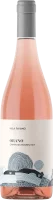
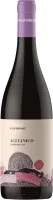
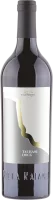
- Ventidue Fiano di Avellino DOCG: “Ventidue” (Italian for “twenty-two”) refers to parcel number 22 in the land register of the municipality of Lapio, considered a Grand Cru for Fiano. The nose combines aromas of white flowers, green apple, hazelnut and delicate smoke. On the palate, it shows impressive density, supported by lively acidity and a long, mineral-saline finish with tremendous ageing potential.
- Alimata Fiano di Avellino DOCG: Named after the historic “Alimata” site in Montefredane at around 500 metres above sea level. This single-vineyard Fiano reveals the smoky, volcanic side of the grape variety and impresses with profound notes of ripe pear, herbs, camomile and pronounced slate minerality.
- Ponte dei Santi Greco di Tufo DOCG: Comes from the steep, tuff-rich slopes of the municipality of Altavilla Irpina. A racy white wine with bright straw-yellow colour and notes of yellow peach, apricot, orange peel and smoky minerality, presenting itself as exceptionally juicy and powerful on the palate.
- Contrada Marotta Taurasi DOCG: The estate’s flagship red wine from the single vineyard “Contrada Marotta” in Castelfranci. A classic Taurasi made from 100% Aglianico, with a deep red colour and a bouquet of dark morello cherries, plum compote, tobacco leaves, leather and liquorice, supported by a majestic structure.

Awards and recognition for Villa Raiano
Villa Raiano’s consistent focus on quality is reflected in impressive ratings from renowned national and international wine critics. The estate ranks among Campania’s absolute elite:
- Gambero Rosso: Multiple “Tre Bicchieri” (Three Glasses) awards for the Ventidue Fiano di Avellino and the Ponte dei Santi Greco di Tufo.
- DoctorWine: 95 / 100 points for the Ventidue Fiano di Avellino (awarded the “Faccino”), 94 points for the Ponte dei Santi Greco di Tufo and 93 points for the Contrada Marotta Taurasi.
- Robert Parker’s Wine Advocate: 93+ / 100 points for the Fiano di Avellino Ventidue, 92 points for the Greco di Tufo Ponte dei Santi and 93 points for the Taurasi Contrada Marotta.
- James Suckling: 94 / 100 points for the Ventidue Fiano di Avellino and 93 points for the Alimata Fiano di Avellino.
- Bibenda (AIS): Top rating of 5 Grappoli for the single-vineyard white wines and the Taurasi.
These consistently high ratings confirm the Basso family’s and the entire Villa Raiano team’s uncompromising approach. They demonstrate that organic cultivation and terroir-faithful ageing without cosmetic intervention can produce wines that effortlessly hold their own among the great wines of the international stage.
Villa Raiano looks to the future with a strong pioneering spirit. In addition to continually refining its organic viticulture, the estate is investing further in sustainable ecotourism. Villa Raiano remains a shining beacon in southern Italy – a place where wine speaks the language of the earth.
Character & flavour profile of Villa Raiano wines
Villa Raiano’s organic wines perfectly reflect Irpinia’s cool, mountainous microclimate:
- Nose: White peaches, citrus blossoms, ripe apple and delicate herbal notes in the white wines; ripe blackberries, pepper, tobacco and leather in the red wines.
- Palate: Exceptionally elegant and firm, supported by lively acidity, cool minerality and fine-grained texture.
- Finish: Persistent, refreshingly dry and characterised by subtle almond and flint notes on the aftertaste.
 „
Villa Raiano impressively demonstrates how elegant and refined southern Italy can taste. Anyone looking for authentic terroir wines from Campania cannot overlook these radiant interpretations of Fiano and Greco!
René Harnisch Founder & Managing Director of VINELLO“
More information about Villa Raiano
 https://www.villaraiano.com/

 https://www.facebook.com/villaraiano
 https://twitter.com/villaraiano
 +39 0825 595663
| Address | |
|---|---|
| Company Name: | Villa Raiano Srl |
| Street: | Via Bosco Satrano, 1 |
| City: | 83020 San Michele di Serino |
| Country: | Italy |
| Region: | Kampanien |
| Continent: | Europe |
| Company | |
| Year of Incorporation: | 1996 |