• ♥ 25.481 wines and counting, just for you! ♥
  • Personal advice!
  • Secure packaging!
  • Reliable Shipping!

Styria (61)

Wines from southern Austria, at the border with Slovenia: Styria 

More Information about Styria
No results were found for the filter!
Not Available
Sale
Save 6%, buy 24!
9999
2025
Not Available
Sale
Save 6%, buy 24!
White wine White wine
dry dry
Austria Austria
Steiermark (AT) Steiermark
£ 7.78 * £ 7.68*
0.75 l (£ 10.24 * / 1 l)

delivery time approx 6-9 workdays

Not Available
9999
NV
Not Available
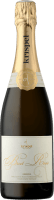
Sparkling Wine Sparkling Wine
brut - bruto brut - bruto
Austria Austria
Steiermark (AT) Steiermark
£ 17.78*
0.75 l (£ 23.71 * / 1 l)

delivery time approx 6-9 workdays

Not Available
Save 6%, buy 24!
9999
2020
Not Available
Save 6%, buy 24!
Red wine Red wine
dry dry
Austria Austria
Steiermark (AT) Steiermark
£ 9.48*
0.75 l (£ 12.64 * / 1 l)

delivery time approx 6-9 workdays

15% discount - Last bottles!
Save here now!
☀️ 10% summer sale ☀️ Summery prices
Browse now!
Must-Have Wines
These wines you should enjoy!
Sample packages
Now try variety & save!
1
2 3
1 - 25 / 61

Styria - a beautiful, ancient cultural landscape

The region of Styria between the Alps and the not far-distant Adriatic Sea is a pronounced cultural landscape with a history and tradition spanning centuries. Among the four wine-growing federal states of Austria, Styria is the smallest with around 4,600 hectares of cultivation area. However, it has earned a very good reputation internationally with its wines.

Viticulture in Styria

Viticulture in this region has been documented since around 400 BC. The winegrowers, as the vintners are also called here, mainly operate small to very small plots on often very steep slopes and predominantly produce white wine.

Wine enthusiasts for whom Styria is still uncharted territory will find an excellent introduction to the diversity of Styrian wines on site. On one hand, in the Total Styrian Vinothek in St. Anna am Aigen, which is open annually from mid-May to mid-November and offers more than 200 wines for tasting and purchase.

Another option is to visit the eight wine routes with their many producers. Here, guests will find not only fine wines but also numerous other culinary delights, for example, in the traditional cozy Buschenschanken. The eight routes are called:

  • South Styrian Wine Route

  • Sausal Wine Route

  • Klöcher Wine Route

  • Thermal Region Wine Route

  • Klapotetz Wine Route

  • Schilcher Wine Route

  • Southeast Styrian Hill Country Wine Route

  • East Styrian Roman Wine Route


Geography and Climate

More than half of the cultivation areas for Styria wine have a slope of more than 26 percent, which is why the term Styrian mountain viticulture is often used. The maximum sunshine duration occurs in high summer and early autumn. This particularly favors hilltops and higher slopes, which also have a low risk of frost.

Three regional growing areas are distinguished in total:

  • West Styria (546 ha)

  • South Styria (2,563 ha)

  • Vulkanland Styria (1,524 ha)


Soils and Climate

The soils in Styria provide very different conditions. In South Styria, sand, slate, marl, and limestone predominate. However, a special feature is the Sausal, which, although it belongs to South Styria, has completely different geological conditions due to the slate soils and produces different wine styles. Together with the humid-warm, Mediterranean-influenced climate with cool nights, fresh and crisp wines emerge in South Styria that are known far beyond the borders.

The name Vulkanland already says a lot about the soil composition. Here, tuff, a coarse-grained rock that is ejected high into the air during a volcanic eruption, and basalt, which consists of hard, cooled magma, predominate. Additionally, limestone and shell limestone also occur. This gives the vines a mineral-rich soil that decisively influences the taste of the wines.

West Styria is characterized by soils made of gneiss, primordial rock, and limestone. The climate is more alpine. Cold downdrafts from the mountains provide nighttime cooling in summer, which particularly benefits the Blaufränkisch grape. This grape is used to produce the famous Schilcher, a rosé with clear aromatics and lively acidity.


Classification of Styria Wines

Since 2018, there is a new origin system for Styria wine called DAC (Districtus Austriae Controllatus). In addition to origin and emphasis on vineyard and regional wines, the DAC classification particularly highlights the craftsmanship of the vintners, as DAC wines must be hand-harvested exclusively to differentiate them from industrial mass production. They are distinguished into:

  • Vineyard wines (best single vineyard sites)

  • Regional wines

  • Area wines (DAC South Styria, DAC Vulkanland Styria, DAC West Styria)


With the new designation, the brand "Styrian Classic" as a classification feature, which stood for fresh and lively wines with a strong regional character for about 25 years, is also eliminated. All previous STK estates now classify their wines into the new DAC categories.


Grape Varieties in Styria

Nine traditional grape varieties are approved for DAC classification:

  • Welschriesling

  • Sauvignon Blanc

  • Weißburgunder

  • Grauburgunder

  • Morillon (Chardonnay)

  • Muskateller

  • Riesling

  • Traminer

  • Schilcher (exclusively in West Styria): The Schilcher is a specialty. The term is legally protected and refers to a rosé that must be exclusively pressed from the native Blaufränkisch grape and can only mature in Styria.


Other red grape varieties include:

  • Zweigelt

  • Blauburger

  • St. Laurent

  • Merlot


The red wines mainly come from the Vulkanland DAC. However, the white wines from Styria are especially recognized internationally. Around 77% of the cultivation area is allocated to white wines, 12% to red wines, and 11% to Schilcher. Currently, there are 26 white and 14 red grape varieties allowed, the most in any wine-growing region in Europe, marketed as quality wine, quality wine of special ripeness and selection, or country wine.

The modern star among the white wines in Styria is undoubtedly the Sauvignon Blanc. While it has been cultivated for more than 200 years, it was long not vinified varietally. Only for about two decades have many winemakers been intensively dedicating themselves to the grape, continually achieving top ratings and rankings in international competitions and tastings.


Wohlmuth Winery at VINELLO

A famous winery that we would like to briefly present here is the operation of Gerhard Wohlmuth and the namesake junior. In family ownership for over 200 years, excellent white and red wines are produced here on steep slopes at a remarkable height of 600 meters above sea level in South Styria. Wohlmuth mainly produces aromatic Sauvignon Blancs and complex red wines made exclusively from the grape variety Blaufränkisch (Lemberger), matured in oak barrels.


Wine Region Styria

Styria is the smallest wine-growing region in Austria, but it has earned a large name in the international wine world, especially with the white wines pressed here, in recent years. High-quality grape varieties, diverse soil structures, and above all, the manual labor of the vintners create a unique symbiosis that produces equally unique results.


Order Styria wines online at VINELLO

Are you tempted to plan your own exploration tour through Styria? Simply browse through our selection - VINELLO has numerous wonderful classics and exciting new discoveries in the program. Discover the diversity of wines and also benefit from our sommelier consultation. Secure shopping and guaranteed prompt delivery ensure that your journey of enjoyment can begin quickly and lead you directly into the pleasure of wine.

UP