• ♥ 25.484 wines and counting, just for you! ♥
  • Personal advice!
  • Secure packaging!
  • Reliable Shipping!

Hárslevelü Wines (21)

Hárslevelü shows fragrant blossoms, ripe fruit and fine spiciness, combines elegant richness with lively freshness, and possesses an unmistakably exotic character.

More Information about Hárslevelü Wines
No results were found for the filter!
Not Available
Save 5%, buy 12!
9999
2021
Not Available
Save 5%, buy 12!
White wine White wine
dry dry
Hungary Hungary
Tokaj (HU) Tokaj
£ 12.98*
0.75 l (£ 17.31 * / 1 l)

delivery time approx 6-9 workdays

Not Available
Save 5%, buy 12!
10% summer sale
NEW
organic organic
9999
2022
Not Available
Save 5%, buy 12!
10% summer sale
NEW
organic organic
Dessert Wines Dessert Wines
sweet sweet
Hungary Hungary
Tokaj (HU) Tokaj
£ 12.28*
0.5 l (£ 24.56 * / 1 l)

delivery time approx 6-9 workdays

Not Available
9999
2017
2018
2019
Not Available
White wine White wine
sweet sweet
Hungary Hungary
Tokaj (HU) Tokaj
£ 71.98*
0.5 l (£ 143.96 * / 1 l)

Delivery time approx 2-4 workdays
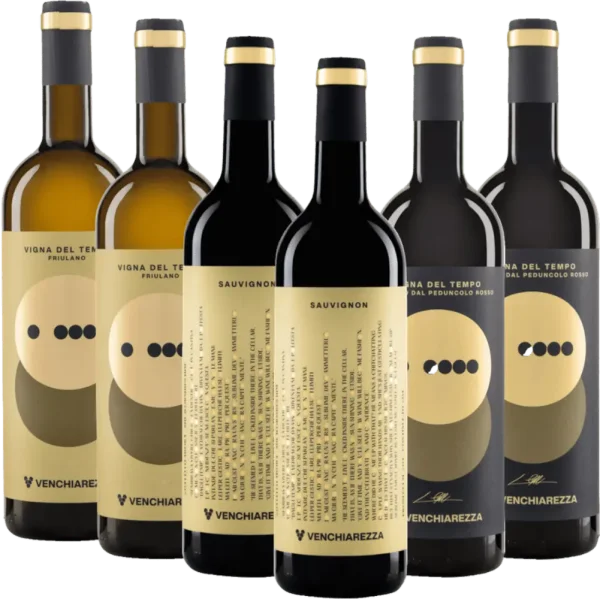
15% discount - Last bottles!
Save here now!
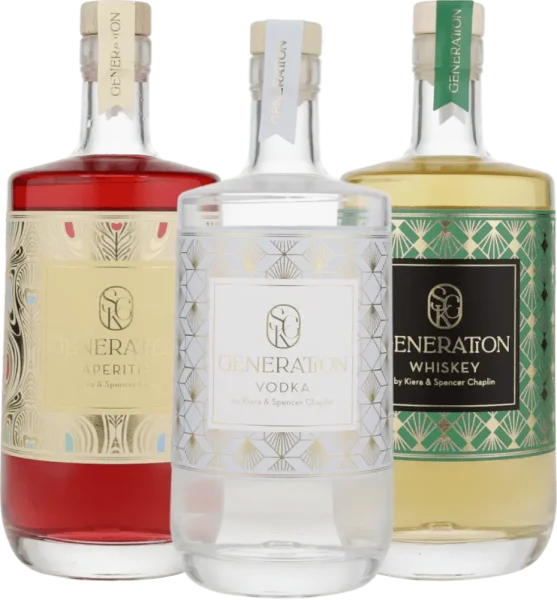
9999
2007
2011
2012
2014
☀️ 10% summer sale ☀️ Summery prices
Browse now!
1
1 - 10 / 10

Hárslevelü captivates connoisseurs with exotic fragrance, fine spice and stimulating freshness. This traditional Hungarian grape variety yields characterful white wines with impressive diversity. From dry and clear to opulent and nobly sweet, it displays a wide spectrum yet always remains distinctly recognizable.

In Hungary, Hárslevelü is, alongside Furmint, one of the defining varieties for the famous Tokaji. But it is also increasingly coming to the fore as a varietal still wine. Wines from this grape combine elegant richness with a firm acid structure, abundant aroma and often a fine honey note that lingers long.

Anyone who appreciates aromatic yet structured white wines will discover in Hárslevelü a fascinating alternative to more familiar grape varieties. It unites floral notes, ripe fruit and pronounced minerality into a multi-layered overall picture that suits many occasions.

Hárslevelü – defining characteristics of the variety

Hárslevelü is one of the aromatic white wine varieties and plays a decisive role in shaping the reputation of Hungary’s top wines. It stands for finely spicy, often complex wines with great radiance. In cooler sites it appears delicate and clear, in warmer regions richer and creamier, without losing its tension.

Classification and basic character

In the glass, Hárslevelü usually shows a bright, medium-deep color with a delicate golden shimmer. The style ranges from dry to off-dry, semi-sweet and nobly sweet, with pronounced but well-integrated acidity. Typical is the intense fragrance of linden blossom, honey, stone fruit and fine herbal spice.

Internationally, the variety stands for characterful white wines from Central and Eastern Europe, with a focus on Hungary and Tokaj. There it complements Furmint in blends and lends the wines aroma, roundness and a smooth texture. Nationally, in Hungary it holds the status of an identity-forming variety that unites tradition and modern wine quality.

Optimal drinking window and maturation

Winegrowers vinify Hárslevelü in very diverse ways. Fresh, fruity versions from stainless steel highlight citrus, herbs and floral nuances. They appear lively, precise and show the variety in its clear, invigorating form.

In wooden casks or barriques, Hárslevelü develops more depth and creaminess. Subtle use of oak emphasizes notes of honey, vanilla, roasted nuts and dried fruits without masking varietal character. Ageing on the fine lees additionally imparts creaminess and complexity.

Many dry versions are highly enjoyable when young, when fruit and blossom aromas are at the forefront. High-quality examples, especially from top sites, however, age very well and, after several years in bottle, unfold deep honey notes, juniper, tea and impressive mineral tension. Nobly sweet Hárslevelü wines often reach a long ageing potential and become even more multi-faceted with increasing age.

Origin and historical development

The origin of Hárslevelü lies in Hungary. The name means “linden leaf” and refers both to the shape of the vine leaf and to the typical scent of linden blossom. Over centuries the variety developed in the historic wine landscapes of the Carpathian Basin.

Hárslevelü gained importance early on, especially in Tokaj. Together with Furmint and other local grapes, it shapes the character of the famous sweet wines. In the past, the main focus was on its ability to produce concentrated, nobly sweet wines with noble botrytis. Today, appreciation for top dry wines from this variety is growing alongside this.

With the qualitative renaissance of Hungarian winegrowing, international interest in Hárslevelü also increased. Modern cellar technology and precise work in the vineyards clearly bring out the strengths of the variety and make it exciting for wine lovers worldwide.

Cultivation and distribution

The most important area of origin for Hárslevelü is Hungary. Tokaj forms the center, but regions such as Somló, Balaton and Eger also rely on this grape. There, both pure Hárslevelü wines and finely tuned blends are produced.

Outside Hungary, the variety is found on smaller areas in Slovakia, Romania and sporadically in other countries in Central and Eastern Europe. Leading international wineries are increasingly discovering Hárslevelü as a profile variety, especially when they have cool to moderately warm sites with volcanic or calcareous soils.

Terroir and stylistic differences

Terroir has a strong influence on the style of Hárslevelü. In cooler, wind-exposed sites with volcanic rock, the wine appears taut, mineral and linear. Citrus fruits, white blossoms and bright acidity shape the profile.

In warmer zones or on south-facing slopes, Hárslevelü shows riper aromas. Yellow stone fruit, honeydew melon, spices and a softer texture come to the fore. Loess and lime-rich soils often yield creamy richness and volume, while slate and volcanic tuff tend to bring salty, smoky nuances.

Higher elevations help preserve acidity and give the wines freshness and clarity. In sheltered, sun-kissed parcels, sugar and aromas become more concentrated, which plays a major role especially for nobly sweet styles.

Aroma profile and sensory impression

In the glass, Hárslevelü usually presents a clear straw yellow to deep gold. The bouquet is intense and multi-layered, with typical notes of linden, honey, ripe stone fruit and fine herbs. On the palate, aromatic richness, fresh acidity, and—depending on vinification—creamy texture or linear precision come together.

  • Fragrance of linden blossom, acacia blossom and honey
  • Aromas of apricot, peach, pear and citrus fruit
  • Spicy hints of ginger, tea, herbs and nuts
  • Mineral notes, often with a salty or smoky nuance
  • Medium to full body with lively acidity
  • Long finish, often with honeyed spice

The wines are aromatic but never perfumed. The structure carries the aromas clearly and ensures a precise mouthfeel that remains present for a long time.

Strengths and fields of application

  1. Pronounced aromatics with floral, fruity and spicy notes, combined with stable acidity and good structure.
  2. Highly suitable as a soloist for varietal white wines, and an important partner in blends, especially in Tokaj.
  3. High ageing potential in premium dry and nobly sweet versions, with increasing complexity and depth.

Enjoyment and food pairing

Dry Hárslevelü wines harmonize wonderfully with aromatic cuisine. They accompany poultry, veal, pork or light meats in creamy sauces as well as fish dishes with butter, herbs and lemon. Vegetarian dishes with root vegetables, pumpkin, mushrooms and fine herbs are also a perfect match.

The exotic, floral character complements Asian cuisine with moderate heat, such as Thai curries, sushi, Vietnamese dishes or dishes with coconut, ginger and lemongrass. Off-dry and semi-sweet versions provide a harmonious counterpoint to spicy food and to intense cheeses.

Nobly sweet Hárslevelü makes an elegant accompaniment to desserts with stone fruit, apricots, almonds or nuts. Foie gras, blue cheese and other powerful cheeses find in it a contrasting yet harmonious partner.

Occasion, serving temperature and glassware

Hárslevelü is suitable as an aperitif, as a food companion for fine menus and as a contemplative wine in the evening. Dry versions show their strengths at 9 to 11 degrees Celsius, off-dry and nobly sweet wines at 10 to 13 degrees, so that the full aromatics can unfold.

A medium-sized white wine glass with a slightly bulbous shape concentrates the aromas and supports the elegant texture. High-quality, ageworthy Hárslevelü wines are best stored cool, dark and at a constant temperature. Top dry examples often develop positively over several years, while nobly sweet wines frequently reach impressive maturity phases.

Discover Hárslevelü online at VINELLO

At VINELLO you will find a carefully curated range of Hárslevelü wines from renowned regions and selected producers. Discover top dry wines, characterful blends and nobly sweet rarities, order conveniently online and enjoy aromatic white wines with a distinctive profile – reliably delivered and ready for special moments of pleasure.

Things to know about Hárslevelü
What does Hárslevelü taste like and what typical aromas does this grape variety have?
Hárslevelü tastes aromatic but not perfumed: typical are intense notes of linden and acacia blossom, delicate honey aromas, ripe stone fruit such as apricot and peach, pear and citrus fruits, along with subtle herbal spice, hints of tea, ginger and nuts, as well as a distinctive, often salty or smoky minerality; on the palate this grape variety combines a medium to full body with lively acidity and a long, honey-spiced finish that underscores the exotic character of the wine.
Is Hárslevelü comparable to well-known grape varieties such as Riesling or Furmint?
Like Riesling or Furmint, Hárslevelü shows a clear acid structure and high aging potential, yet remains distinctive in expression: with its lively freshness and minerality it is reminiscent of these varieties, but brings more pronounced floral linden blossom and honey notes, a softer, often creamy texture and an unmistakably exotic aroma, which positions it as an independent alternative in the aromatic white wine segment.
From which regions do the best Hárslevelü wines come, and what is Tokaj particularly known for?
The best Hárslevelü wines come mainly from Hungary, with a focus on Tokaj, but also from regions such as Somló, Balaton and Eger; Tokaj is particularly known for its noble sweet top wines and characterful cuvées in which Hárslevelü, together with Furmint, shapes the famous Tokaj, contributing aroma, roundness and a smooth texture and benefiting from volcanic soils as well as cool, wind-exposed sites that provide firm minerality and impressive depth.
Which dishes pair especially well with dry Hárslevelü?
Dry Hárslevelü pairs excellently with aromatic cuisine: poultry, veal, pork and other light meats in creamy sauces, fish with butter, herbs and lemon, vegetarian dishes with root vegetables, pumpkin, mushrooms and delicate herbs, as well as Asian-inspired dishes with moderate heat – such as Thai curries, sushi or dishes with coconut, ginger and lemongrass; thanks to its floral spice and fresh structure it is a versatile food companion both in private settings and in gastronomy.
At what temperature should Hárslevelü be served and which glass shape is ideal?
Dry Hárslevelü shows its best at 9 to 11 °C, off-dry and noble sweet versions at 10 to 13 °C, so that floral aromas, honey and fruit notes can fully unfold; an ideal choice is a medium-sized, slightly bulbous white wine glass that concentrates the multi-layered aroma and at the same time brings out the wine’s elegant, partly creamy texture to optimum effect.
How long can Hárslevelü be stored and which styles have the greatest ageing potential?
Hárslevelü should be stored in a cool, dark place with the most constant temperature possible; fresh-fruity versions aged in stainless steel are highly enjoyable when young, while high-quality dry wines from top sites with extended lees contact can age positively for several years, developing complex honey notes, juniper, tea and mineral tension, and noble sweet Hárslevelü wines often possess a particularly long aging potential, gaining additional depth and complexity with increasing age.
Why does Hárslevelü have such different price levels, from uncomplicated to top-quality wine?
Price diversity in Hárslevelü ranges from uncomplicated, fresh-fruity everyday wines to sophisticated top wines, because factors such as origin (for example, top volcanic sites in Tokaj), yield reduction, selective harvesting, elaborate maturation in wooden casks or barriques, long storage, as well as noble sweet vinifications with botrytis significantly increase the effort involved; in the VINELLO wine shipping service you will find this range presented transparently and with fair pricing, from accessible discoveries to sought-after rarities.
How can I recognize high-quality Hárslevelü and how important is the vintage?
You can recognize high-quality Hárslevelü by renowned origins such as Tokaj or selected sites in other Hungarian regions, by clear, multi-layered aromas (linden blossom, honey, ripe stone fruit, herbal spiciness and precise minerality), well-integrated acidity, length on the palate and harmonious use of oak; the vintage plays an important role in ripeness, acid structure and concentration, especially for noble sweet wines and ageworthy dry versions – in the VINELLO wine shop and online wine store from Dresden you will find detailed descriptions to help you select suitable vintages in a targeted way.
Is Hárslevelü suitable as an alternative to better-known white wine varieties in the mid and higher price segment?
Hárslevelü is very well suited as an alternative to more familiar white grape varieties in the mid and higher price segment, as it offers aromatic richness, floral and spicy notes, pronounced minerality and high aging potential, thereby providing exciting options for demanding wine lovers as well as high-end gastronomy for both varietal wines and cuvées; at VINELLO wine trade and wine merchant you benefit from a broad selection that includes both new discoveries and proven classics, enabling precise additions to your range.
How is Hárslevelü packaged and shipped to be break-proof so that the wine arrives undamaged?
At VINELLO, Hárslevelü is packed in the in-house wine depot and warehouse using certified, break-proof shipping cartons that reliably protect the bottles and absorb shocks during transport; thanks to our efficient, digitally controlled supply chain and direct availability from our own stock, your wine reaches you quickly and safely, so that even delicate top wines arrive intact at your home or your business.
Are there any seasonal particularities when delivering Hárslevelü, for example in high summer or winter?
When delivering Hárslevelü, VINELLO takes seasonal conditions into account: in the height of summer, swift, temperature-aware shipping and dispatch directly from the in-house warehouse ensure the shortest possible transport times; in winter, sturdy, insulating special packaging protects against cold; in this way the quality of the wines, whether dry or noble sweet in style, is preserved even under demanding weather conditions – in addition, you can conveniently control the desired delivery time in the wine shipping service.
Is Hárslevelü suitable for wine lists in gastronomy and the hotel industry, and does the grape variety offer sufficient stylistic consistency for permanent pouring by the glass?
Hárslevelü is excellently suited for wine lists in gastronomy and hospitality, as this grape variety offers high stylistic consistency and recognizability from fresh, dry aperitif wines to complex food companions and noble sweet meditation wines, while at the same time providing enough diversity for different food pairings; VINELLO as wine retailer and wine merchant supports you with personal service, efficient processing, reliable availability from its own warehouse, as well as tailored recommendations for wines by the glass, bottle service and complementary spirits and delicatessen, so that your HORECA customers can permanently rely on a stable, distinctive Hárslevelü portfolio.
UP