• ♥ 25.481 wines and counting, just for you! ♥
  • Personal advice!
  • Secure packaging!
  • Reliable Shipping!

Barbera (272)

Discover all facets of the Barbera grape with VINELLO.

More Information about Barbera
No results were found for the filter!
Not Available
9999
2025
Not Available
5.00
(1)
Rosé wine Rosé wine
dry dry
Italy Italy
Lombardei (IT) Lombardei
£ 14.68*
0.75 l (£ 19.57 * / 1 l)

Delivery time approx 3-5 workdays

Not Available
Sale
10% summer sale
9999
2023
Not Available
Sale
10% summer sale
4.50
(1)
Red wine Red wine
Semi-dry Semi-dry
Italy Italy
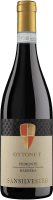
Piedmont (IT) Piedmont
£ 8.98 * £ 8.68*
0.75 l (£ 11.57 * / 1 l)

Delivery time approx 2-4 workdays

Not Available
Save 5%, buy 12!
9999
2023
Not Available
Save 5%, buy 12!
5.00
(3)
Red wine Red wine
dry dry
Italy Italy
Piedmont (IT) Piedmont
£ 8.98*
0.75 l (£ 11.97 * / 1 l)

Delivery time approx 3-5 workdays

15% discount - Last bottles!
Save here now!
☀️ 10% summer sale ☀️ Summery prices
Browse now!
Must-Have Wines
These wines you should enjoy!
Sample packages
Now try variety & save!

Barbera: The Piedmontese Diva Among Grape Varieties

A Grape Variety with Character and Tradition

Barbera, one of the oldest and most fascinating grape varieties in Italy, is known for its rich history and unique character. Originally from Piedmont, it has developed over the centuries into one of the most popular and widely distributed varieties in the country.

Barbera belongs to the fresh and fruity grape varieties with a medium body. Characteristic is its low tannin content and deep red, bright color. This Italian grape variety is primarily cultivated in Piedmont, where the focus is on reduced yields and high quality. One of the most well-known red wines from Italy is Barbera d'Asti from the eponymous municipality. In regions like Piedmont, Barbera red wine is vinified as a single varietal. Other wine-growing areas use the variety as a component in modern cuvées.

Costigliole-Barbera-Wine Region

Origin, Parentage, and History

Barbera – a name that sounds like music in the ears in Piedmont. The indigenous grape variety has its roots in the gentle hills of this Italian region. It has been deeply intertwined with Piedmontese wine culture for centuries. Its exact origin remains unclear, but the first written mentions from the 13th century testify to its long history.

Its name presumably derives from "barba," the Italian word for beard, which hints at the hairy skins of the grapes. Barbera has always been an important grape variety for wine production in Northern Italy. It has earned its place as one of the noblest and most characterful varieties.

Barbera – A Grape Variety with Many Facets

Barbera is a true diva among grape varieties. The grape presents itself as both charming and accessible, as well as complex and profound. Its adaptability to different terroirs and vinification methods allows for the production of a diverse range of wines. From fruity-light everyday wines to powerful and elegant Barolo alternatives, everything is available.

Distribution and Growing Regions

The grape variety thrives particularly well in temperate climates with warm days and cool nights. The best Barbera wines often come from hillside locations that provide optimal sunlight and drainage. Piedmont is considered the heart of Barbera growing regions. Here it overwhelmingly dominates the vineyard area and shapes the character of the region like no other grape variety. The best locations for Barbera can be found in the provinces of Asti, Alba, and Alessandria. Here it can flourish on calcareous soils and in cool, hilly terrains. Today, Barbera can be found not only in Piedmont but also in other regions of Italy, such as Lombardy and Emilia-Romagna. It has also established itself in other parts of Italy and abroad, such as California, Australia, and South America.

Climate and Soil – The Ideal Conditions for Barbera

Barbera loves cool and calcareous soils. The gentle hills of Piedmont, with their calcareous soils and cool climate, provide the perfect conditions for developing its complex aromas and powerful structure. The grape variety benefits from sufficient rainfall and thrives best at altitudes between 200 and 400 meters.

Barbera Wines - A High-Yielding Grape

Barbera is a high-yielding grape. This almost led to its downfall during the wine boom in Italy that began in the 1970s. The Barbera grape was used to produce cheap bulk wines, which were also, as uncovered in the methanol scandal of the mid-80s, sometimes adulterated. Declining quality and low prices severely damaged the reputation of Barbera wines to the point of being nearly unsellable.

Barbera Grape

Barbera Wine - High Quality and Single Varietal

In the meantime, Italy has returned to reasonable yields and careful handling of Barbera vines. Thus, today, valuable wines come from Piedmont – the wine region where Barbera is the most widely cultivated grape variety. Notable examples include the famous Barbera d'Alba and Barbera D'Asti. High-quality, single-varietal Barbera wines are also produced in Emilia-Romagna and Lombardy. In other wine regions of Italy, Barbera is mainly used for table wines and as a blending partner.

Barbera D'Alba - Where Barbera Grows Pure

Piedmont is blessed with a hilly and picturesque landscape, with the cool earth of Langhe between the Po River and the Alps, and world-renowned wines. One of them is undoubtedly Barbera d’Alba, a ruby-red, intensely fragrant, and full-bodied red wine. Almost exclusively vinified from the noble Barbera grape, Barbera d’Alba embodies the finest aromas of Piedmont. It also possesses a structure that makes long-term aging not only possible but indeed recommended. Treat yourself to a glass of Barbera d’Alba right after purchase and one after years of aging. You will realize that a major component of the highest quality is time.

Barbera d’Alba - Small Town, Great Reputation

The red wine Barbera d’Alba extracts the full temperament and zest for life of the character of Piedmont with every grape. Intense color transitions from ruby red to garnet red. Profound taste with hints of blackberry, cherry, strawberry, and jam. Spicy notes of cinnamon, pepper, and vanilla. A Barbera d’Alba will stay in your memory even after the bottle has yielded its last drop. A Barbera d’Alba must have at least 12% vol. to earn the DOC status. In the case of Barbera d’Alba Riserva, even 12.5% vol. is required. However, most wines surpass this guideline by far. Barbera d’Alba is indeed a lush wine that makes celebrations festive and friends joyful.

DOC Barbera d’Alba

The controlled designation of origin, known in Italian as Denominazione di origine controllata, expects the winemakers of Piedmont to fulfill the following regulations.

  • The wine must consist of at least 85% of the Barbera grape variety, with the remaining 15% possibly supplemented by Nebbiolo.
  • A legal aging period is only required for Barbera d’Alba Superiore, namely 12 months, of which 4 months must be spent in wooden barrels.

Barbera d'Asti - A Journey into the Province

In the hilly heart of Piedmont, nestled in the triangle between Milan, Turin, and Genoa, the city of Asti clings to the vineyard-covered hills. Especially the Barbera grape variety lines the vineyards. The demand for the intense and fruity character of the red grape variety is high. Without it, a Barbera d’Asti would be unimaginable. The popular red wine Barbera d’Asti DOCG is mostly vinified as a single varietal, but at least 90% Barbera. This allows for a robust, ruby-red wine that expresses the temperament and passion of Piedmont in every glass.

Single Varietal Barbera d’Asti Wine

The Italian red wine from the provinces of Alessandria to Asti knows how to compellingly convey its strengths. A deep ruby red presents itself in the glass, with fruity notes of ripe red berries and cherries enveloping the palate. A juicy acidity unfolds a fresh taste. Barbera d’Asti may be complex, yet is also accessible and upfront. The wine from the southeast hill landscape of Piedmont has enjoyed DOCG status since 2008. Accordingly, the legally defined regulations for Barbera d’Asti are indisputable, helping Italian winemakers create wines of the highest quality with a great and popular name.

The Diversity of Barbera Wines

Barbera is a chameleon-like grape variety. Depending on the growing area, vintage, and vinification method, wines with different characters are created. From fruity-light rosé wines to sparkling wines to full-bodied red wines, the range of Barbera wines is virtually endless.

Taste and Character – A Distinctive Profile

Barbera wines are characterized by their intense color, ranging from deep ruby red to garnet red. The wines are typically fruity with a pronounced acidity. They offer aromas of red fruits, herbs, and spices. On the nose, they unfold a seductive bouquet of red fruits such as cherry, raspberry, and plum, paired with spicy notes of pepper, cloves, and nutmeg. On the palate, they are powerful and elegant with a well-integrated acidity and a long, harmonious finish.

Info Box Barbera d’Asti DOCG

  • Consists of at least 90% of the Barbera grape variety, but is predominantly vinified as a single varietal.
  • The wine must age for at least 4 months, while for Barbera d’Asti Superiore it is at least 14 months, of which 6 months in wooden barrels.
  • The alcohol content must be at least 12% vol., and for Superiore at least 12.5% vol.

Vinification and Aging

Barbera wines can be vinified differently depending on the style and desired character. Young wines are aged in stainless steel tanks, while Barolo alternatives are aged in barriques made of French oak, gaining additional complexity and maturity.

In vinifying Barbera wines, winemakers often employ a combination of traditional and modern techniques to fully harness the potential of the grapes. The aging time in wooden barrels, both Slavonian oak and French oak, adds further complexity and depth to the wines.

Barbera Wine Barrels

Special Facts

  • Barbera is the second most commonly grown grape variety in Italy after Sangiovese.
  • The grape variety is also known as Barbera d'Asti, Barbera del Monferrato, and Barbera d'Alba.
  • From Barbera grapes, the famous Barolo blend Barbera d'Alba Superiore DOCG is also produced.
  • Barbera wines are typically ready to drink young. Some Barolo alternatives can be aged for up to 10 years or longer.
  • The Barbera vine is very resistant to diseases, making it attractive to winemakers.
  • In addition to Italy, Barbera is also grown in other countries like Argentina and California.
  • Some of the best Barbera wines are produced in the DOCG zones of Piedmont, such as Barbera d'Asti and Barbera del Monferrato.

Recommended Pairings

Barbera wines are excellent companions to a variety of dishes. Thanks to their lively acidity, they pair particularly well with hearty meals. But they also provide pure enjoyment when enjoyed solo.

The fruity and light-footed varieties pair beautifully with antipasti, salads, and pasta. More robust Barbera wines harmonize perfectly with grilled meat, game, and hearty braised dishes or aged cheese.

Buy Barbera Cheap Online

The treasure of Piedmont for cozy evenings, good friends, and delightful dishes - Barbera. Red wines, rosé wine, and wine packages. Order your Italian red wine online from the town of Asti. Experience the colorful wines that bring intense fruit to your glass. At VINELLO, you will find a curated selection of high-quality Barbera wines that you can easily purchase online. Just select your favorites, add them to the cart, and click to buy. We will promptly and securely ship your order in an environmentally friendly way. From Piedmont through VINELLO to you - comfort in buying wine, joy in drinking wine.

Things to know about Barbera
What is the difference between Barbera and other red grape varieties such as Sangiovese or Nebbiolo?
Barbera is characterized by its distinctive acidity and fruity aromas. While Sangiovese tends to focus on an elegant structure and Nebbiolo on intense tannins.
How long can Barbera wines be stored?
Barbera wines are often ready to drink at a young age. However, they can also be stored for several years to develop additional complexity.
What is the ideal temperature for serving Barbera wines?
Barbera wines develop their full aroma best at a serving temperature between 16 °C and 18 °C.
Are there different styles of Barbera wines?
Yes, there are different styles of Barbera wines. From fresh and fruity varieties to complex and tannic wines.
Are all Barbera wines dry in taste?
As a rule, Barbera wines are dry, but there are also some producers who make semi-dry or sweet versions.
Where can you buy Barbera wines?
You can find Barbera wines in well-stocked specialist shops or online, e.g. at VINELLO.
UP