• ♥ 23.985 wines and counting, just for you! ♥
  • Personal advice!
  • Secure packaging!
  • Reliable Shipping!

Petit Manseng Wines (17)

Petit Manseng delights with intense fruit, lively freshness and noble spice, and displays a clear, distinctive style with high recognition value.

More Information about Petit Manseng Wines
No results were found for the filter!
Not Available
9999
2020
2021
Not Available
Red wine Red wine
dry dry
France France
Bordeaux (FR) Bordeaux
£ 123.78*
0.75 l (£ 165.04 * / 1 l)

Delivery time approx 14-16 workdays

Not Available
9999
2021
Not Available
Dessert Wines Dessert Wines
sweet sweet
Austria Austria
Burgenland (AT) Burgenland
£ 20.28*
0.375 l (£ 54.08 * / 1 l)

delivery time approx 6-9 workdays
Not Available
9999
2022
Not Available
White wine White wine
dry dry
Austria Austria
Burgenland (AT) Burgenland
£ 20.98*
0.75 l (£ 27.97 * / 1 l)

delivery time approx 6-9 workdays

15% discount - Last bottles!
Save here now!
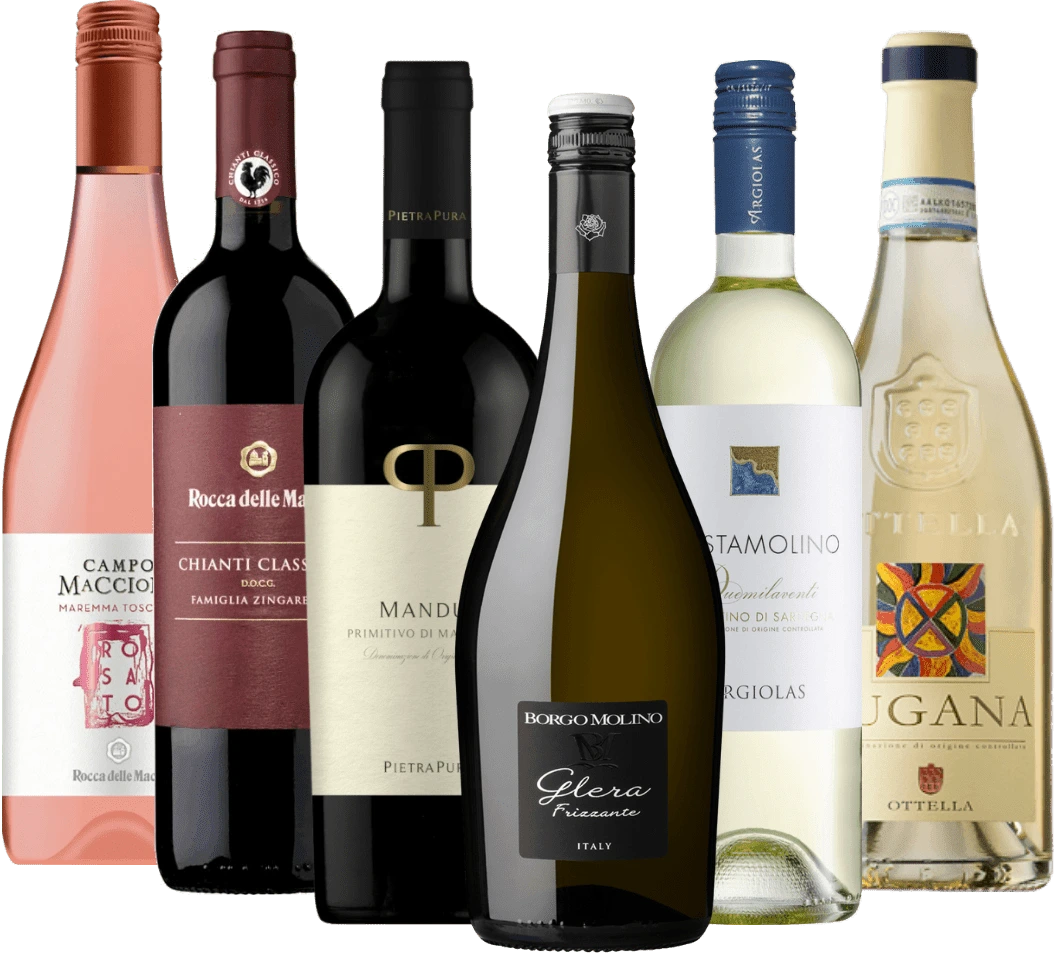
🌿 10% Spring Sale 🌿 Springtime prices
Browse now!
Must-Have Wines
These wines you should enjoy!
1
1 - 15 / 15

Petit Manseng delights with intense fruit, lively freshness and noble spice, and reveals a clear, distinctive style with a strong recognition factor.

As a characterful white grape variety from the southwest of France, Petit Manseng enjoys an almost secret cult status among connoisseurs. The grape produces dense, concentrated wines that combine fruity sweetness, crisp acidity and fine spice in an impressive way. From dry to nobly sweet styles, it shines with depth, tension and great aromatic radiance.

Its firmly established place in top gastronomy shows how versatile and sophisticated this variety is. Whether as a soloist or in a refined cuvée, Petit Manseng gives every wine a distinctive signature: intense aroma, powerful structure and a long, clear finish.

Petit Manseng – defining characteristics of the grape variety

The variety originates from the foothills of the Pyrenees and produces some of the most expressive white wines in France. Its thick grape skins, loose bunches and natural aroma make it the ideal partner for concentrated, long-lived wines from dry to nobly sweet.

Classification and basic character

Stylistically, Petit Manseng is considered a powerful, aromatic white variety with clear structure. The wines usually show a medium to full body, fresh, lively acidity and a creamy texture, especially when aged on the fine lees.

In terms of flavor, the spectrum ranges from dry, juicy and mineral to opulent, sweet and tropically fruity. Vinified dry, Petit Manseng impresses with taut acidity, citrus notes, stone fruit and a hint of salty minerality. In off-dry and sweet versions, exotic fruits, honey, candied citrus fruits and spicy nuances come to the fore more strongly.

Internationally, the grape variety stands for high-quality, often limited white wines with a clear sense of origin. Especially in the southwest of France, but also overseas, winemakers value it as a noble alternative to better-known varieties such as Riesling or Chenin Blanc.

Drinking maturity and vinification

Petit Manseng wines are highly fascinating even when young. Fruit, freshness and spice are then in the foreground. With some bottle age they develop additional complexity, ripe fruit and finely matured notes of honey, wax and nuts.

Winemakers use various methods of vinification. Pure stainless-steel aging emphasizes freshness, citrus fruit and minerality. Aging on the fine lees lends more creaminess, volume and a fine, creamy mouthfeel. The targeted use of wooden barrels, often in the form of barriques or large casks, adds delicate roasted aromas, vanilla, spice and additional structure.

Dry Petit Manseng wines often reach a very attractive maturity over five to eight years, with high-quality examples exceeding this. Nobly sweet styles with high concentration possess a remarkably long development potential and gain further depth over time.

Origin and historical development

The origin of the grape variety lies in the southwest of France, especially in the area of today’s appellations Jurançon and Pacherenc du Vic-Bilh. As early as the Middle Ages, local winegrowers valued the variety for its dense structure and its ability to hang long on the vine.

Traditionally, winegrowers harvested Petit Manseng late, sometimes in several passes, in order to obtain perfectly ripe and concentrated berries. Reports concerning royal courts and the clergy show that the variety was regarded early on as a noble source of white wine.

With the modernization of viticulture, Petit Manseng experienced a new heyday. Improved cellar technology, targeted yield regulation and the trend towards characterful, individual white wines refocused attention on this traditional variety. Today it enjoys growing recognition outside France as well.

Cultivation and distribution

The core area of Petit Manseng lies in the French southwest, near the Pyrenees. In Jurançon and Pacherenc du Vic-Bilh, the variety forms the backbone of many quality wines, both dry and sweet. Here, the interplay of Atlantic climate and proximity to the mountains produces particularly aromatic grapes.

In addition to France, winemakers in Spain, Italy, Australia, New Zealand, South Africa and parts of South America also rely on this variety. In these regions it usually serves as a niche variety with high quality ambitions, often in small, meticulously maintained vineyards.

The cultivated area remains modest compared to global heavyweights such as Chardonnay. Yet it is precisely this relative rarity that creates its appeal: Petit Manseng stands for individuality, a sense of place and artisan-style winemaking.

Terroir and stylistic differences

Climate and soil decisively shape the style of Petit Manseng wines. In cooler sites near the Pyrenees, the grape preserves lively acidity and develops a distinctive citrus and stone-fruit aroma with pronounced minerality. Warmer locations promote exotic fruit, richness and a fuller mouthfeel.

On stony, meagre soils, Petit Manseng often shows firm structure, clean lines and salty notes. Clay and limestone soils emphasize body and texture, while sandy subsoils tend to produce lighter, very fruit-driven wines.

Altitude, slope and proximity to rivers or mountain ranges significantly influence ripening. Late harvesting results in high must weights and complex sweet wines; early harvesting in fresh, dry styles with great tension.

Aromatic profile and sensory impression

In the glass, Petit Manseng usually displays a bright golden-yellow color, ranging from straw yellow to deep gold depending on the style. On the nose, the wine is already intense, multi-layered and inviting.

On the palate, juicy fruit, lively acidity and a finely creamy texture come together. Depending on the vinification, the sweetness appears subtle or opulent, always carried by clear freshness and a long, aromatic finish.

  • typical aromas: lemon, grapefruit, apricot, peach, pineapple, mango, candied citrus fruits
  • defining sensory features: lively acidity, dense body, creamy texture, fine spice, salty minerality, long finish

Strengths and areas of use

  1. Stylistic strengths: high aromatic density, clear structure, tension between fruity sweetness and freshness, wide range from dry to nobly sweet.
  2. Use as a soloist or in a cuvée: As a single-varietal wine, Petit Manseng shows a strong personality. In a cuvée, it contributes structure, aroma and maturation character.
  3. Ageing potential: Good examples age over many years and develop complex notes of honey, nuts and wax, without entirely losing their freshness.

Enjoyment and food pairing

Dry Petit Manseng wines pair ideally with fish, seafood, grilled vegetables and white meat. The lively acidity cuts elegantly through fine sauces and harmonizes with aromatic herb cuisine.

Off-dry versions complement Asian dishes with gentle heat, spicy Mediterranean cuisine and dishes with fruit components, such as duck breast with orange jus or poultry with apricot.

Nobly sweet Petit Manseng wines form an ideal accompaniment to blue cheese, mature hard cheese, foie gras and fruity desserts. The sweetness carries the intense fruit, while the acidity ensures balance.

Occasion, serving temperature and choice of glass

Petit Manseng suits festive menus, elegant aperitifs, cozy evenings for two and as a highlight for the dessert course. Dry wines show their character at 8 to 10 degrees Celsius, nobly sweet styles unfold their aromas best at 10 to 12 degrees Celsius.

A medium-sized white wine glass with a slightly inward-curving rim directs the intense aromas precisely to the nose and brings out fruit and spice to optimal effect. Age-worthy qualities benefit from a few years of bottle maturation and calm, cool storage.

Discover Petit Manseng online at VINELLO

At VINELLO you can discover a carefully curated selection of Petit Manseng from renowned regions of origin. Whether dry, delicately fruity or nobly sweet, here you will find the right wine for special occasions, sophisticated menus and pleasurable evenings. Browse our range, compare vintages and styles, and order your favorite wine conveniently online – for impressive white wine experiences full of character.

Things to know about Petit Manseng
What does Petit Manseng taste like and what typical aromas does this grape variety show?
Petit Manseng tastes intensely fruity with lively freshness and noble spice; typical are aromas of lemon, grapefruit, apricot, peach, pineapple and mango, plus candied citrus fruits, a creamy texture, salty minerality and a long, clear finish that emphasizes the distinctive character of this grape variety.
Is Petit Manseng more dry or sweet and what styles exist for this grape variety?
Petit Manseng is produced from dry to noble sweet: in its dry style it shows firm acidity, citrus notes, stone fruit and a subtle salty minerality; in off-dry and sweet styles, exotic fruit, honey, candied citrus fruits and spicy nuances come to the fore, often with a creamy melt from ageing on fine lees or additional barrel ageing.
How does Petit Manseng differ sensorially from white wines such as Riesling or Chardonnay?
In sensory terms, Petit Manseng is more powerful and creamier than many Rieslings and usually more aromatic and more clearly structured than typical Chardonnay: it combines high aromatic density, lively acidity and a dense body with a tension between fruit sweetness and freshness, while its salty minerality and exotic fruit clearly set it apart from the more apple- and citrus-driven Rieslings and the often more buttery or more restrained Chardonnays.
From which regions does Petit Manseng originally come and where is the grape variety still grown today?
Petit Manseng originally comes from the southwest of France, especially from the Pyrenean foothills with today’s appellations Jurançon and Pacherenc du Vic-Bilh, and is still grown in the French southwest as well as in selected regions of Spain, Italy, Australia, New Zealand, South Africa and parts of South America, where it is cultivated as a characterful niche variety with high quality ambitions.
Is Petit Manseng suitable for cellaring and how does the wine develop with a few years of bottle age?
Petit Manseng wines are fundamentally well suited to ageing: dry versions often reach a very attractive maturity over five to eight years and high-quality examples beyond that, while noble sweet wines with high concentration possess a remarkably long development potential and gain additional depth and notes of honey, wax and nuts with bottle age, without completely losing their freshness.
What is the ideal serving temperature for dry and for nobly sweet Petit Manseng?
For dry Petit Manseng, a serving temperature of about 8 to 10 °C is recommended so that freshness, citrus fruit and minerality emerge clearly, while noble sweet versions unfold their exotic fruit, honey notes and spice best at 10 to 12 °C; in a medium-sized white wine glass with a slightly inward-curving rim, the wine presents its aromas most impressively.
Which dishes pair particularly well with Petit Manseng and which foods benefit from its acidity and sweetness?
Dry Petit Manseng pairs excellently with fish, seafood, grilled vegetables and white meat, as its lively acidity balances delicately structured sauces and elegantly picks up aromatic herb cuisine; off-dry versions harmonize ideally with Asian dishes with gentle heat, spicy Mediterranean cuisine and dishes with fruit components such as duck breast with orange jus or poultry with apricot, while noble sweet Petit Manseng wines form an ideal accompaniment to blue cheese, mature hard cheese, foie gras and fruity desserts.
For which occasions is Petit Manseng particularly suitable – as an aperitif, with a menu, or as a dessert wine?
Petit Manseng is suitable both as an elegant aperitif – especially in the dry, fresh style – and as a sophisticated companion to fish and poultry courses or aromatic herb cuisine, and in its noble sweet form it is an excellent dessert wine and a highlight for the cheese course or dessert finale at festive menus and special occasions.
In what price range do Petit Manseng wines typically fall and what does the price depend on?
Petit Manseng wines typically occupy the upper quality segment, with price depending mainly on style (dry to noble sweet), origin, yield regulation, maturation (stainless steel, fine lees, wooden cask) and ageing potential; concentrated, noble sweet wines from labor-intensive late harvests are usually priced higher than fresh, dry styles, while limited single-vineyard wines and characterful bottlings from renowned regions such as Jurançon can sit in the premium range – at VINELLO wine shipping you will find fair pricing and a wide selection for different budgets.
How can I recognize quality differences in Petit Manseng and what role does the vintage play?
Quality differences in Petit Manseng can be recognized by origin, concentration, complexity and length of the finish: high-quality wines show dense, clear fruit, lively, well-integrated acidity, salty minerality, noble spice and a long, structured aftertaste; the vintage plays an important role, as climate and degree of ripeness shape the balance between acidity, alcohol and fruit sweetness – in a well-stocked wine shop or wine merchant such as the online wine shop from Dresden, VINELLO, you can compare vintages and qualities in a targeted way.
How safe is the shipping of Petit Manseng wines and how is breakage during transport avoided?
The shipping of Petit Manseng wines at VINELLO is very secure, as all bottles are dispatched from their own warehouse in break-proof, certified special packaging that reliably absorbs shocks and pressure; the unique digital supply chain ensures fast and reliable delivery, so that even delicate or higher-value wines, including hard-to-find bottles, arrive safely – whether for your private cellar, your wine store, your wine depot or your wine shop.
Is Petit Manseng interesting for gastronomy, the hotel trade or wine bars and how consistent is the style across different vintages?
Petit Manseng is extremely interesting for gastronomy, hotels and wine bars, as this grape variety offers a clear, recognizable style with lively acidity, intense fruit and a wide spectrum from dry to noble sweet, making it ideal for sophisticated wine lists; despite vintage variation, the basic character – aromatic density, freshness and structure – remains clearly identifiable over the years, ensuring a consistent style that convinces both by the glass and as a menu pairing; via VINELLO as wine merchant and wine broker, HORECA partners receive a broad selection, personal support, efficient processing and reliable availability from the in-house warehouse, complemented by suitable spirits and delicatessen products for a well-rounded offering.
UP