• ♥ 23.958 wines and counting, just for you! ♥
  • Personal advice!
  • Secure packaging!
  • Reliable Shipping!

Viognier Wines (201)

Viognier seduces with opulent fruit, gentle spice and silky richness, revealing a powerful, intensely aromatic white wine style with a clear, sensually opulent and distinctive profile.

More Information about Viognier Wines
No results were found for the filter!
Not Available
NEW
Team Tip
9999
2024
Not Available
NEW
Team Tip
White wine White wine
dry dry
South Africa South Africa
Western Cape (ZA) Western Cape
£ 17.98*
0.75 l (£ 23.97 * / 1 l)

delivery time approx 6-9 workdays

Not Available
TIP!
Team Tip
Top price enjoyment
vegan vegan
9999
2023
Not Available
TIP!
Team Tip
Top price enjoyment
vegan vegan
4.50
(2)
Red wine Red wine
dry dry
South Africa South Africa
Western Cape (ZA) Western Cape
£ 17.98*
0.75 l (£ 23.97 * / 1 l)

Delivery time approx 2-4 workdays

Not Available
Save 6%, buy 24!
9999
2025
Not Available
Save 6%, buy 24!
White wine White wine
dry dry
Chile Chile
Valle Central (CL) Valle Central
£ 8.88*
0.75 l (£ 11.84 * / 1 l)

delivery time approx 6-9 workdays

15% discount - Last bottles!
Save here now!
🌿 10% Spring Sale 🌿 Springtime prices
Browse now!
Must-Have Wines
These wines you should enjoy!
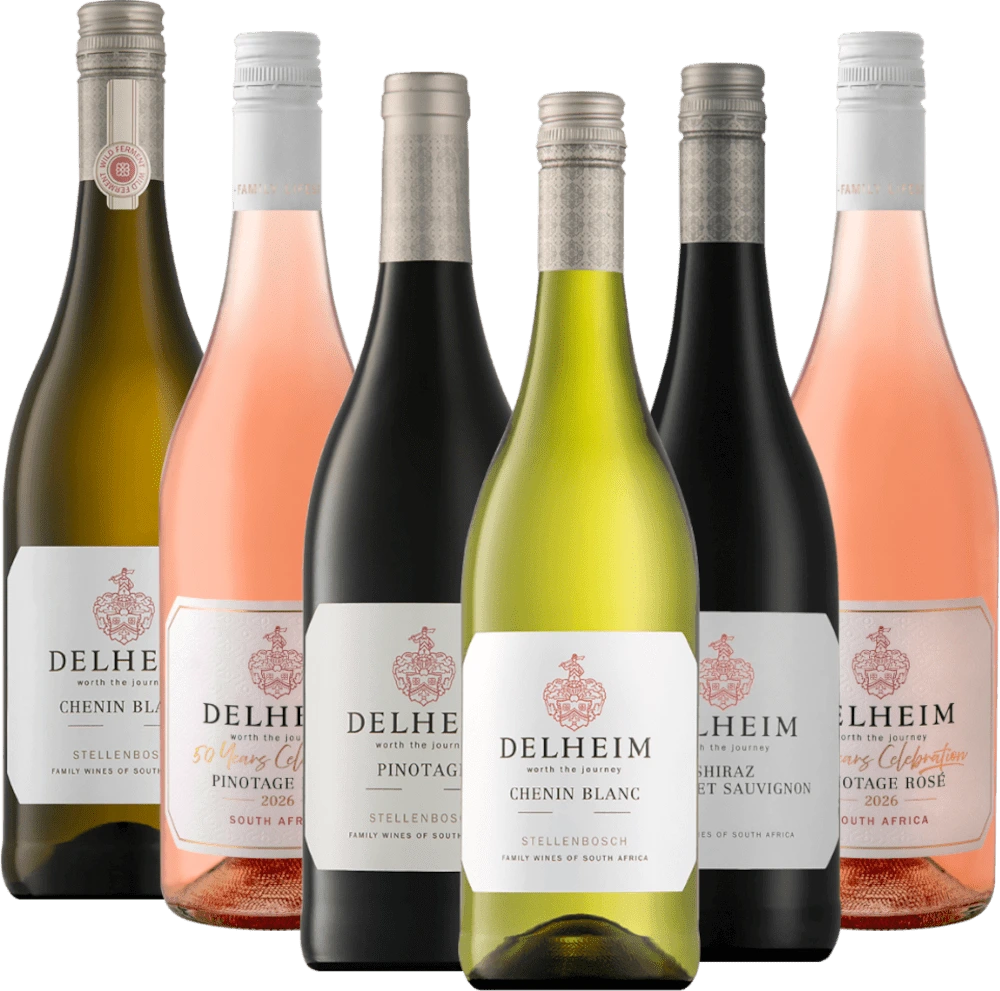
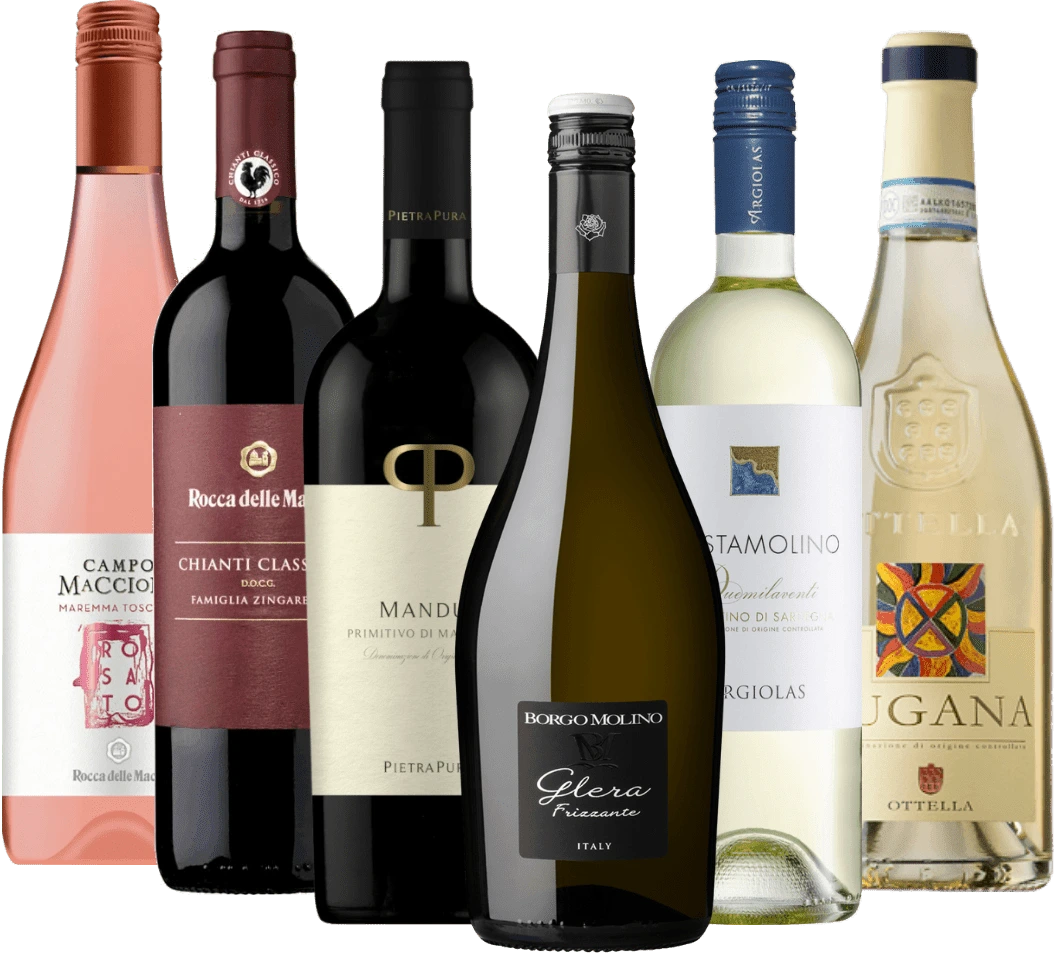
Sample packages
Now try variety & save!

Viognier seduces with opulent fruit, gentle spice and silky richness. The grape variety stands for dense, intensely aromatic white wines with a sensual character.

Viognier shows juicy stone fruit, floral notes and often a fine exotic nuance. Wines from this variety appear full, soft and at the same time clearly structured.

Winemakers appreciate Viognier for its distinctive style and its high recognition value. Wine lovers reach for it when they want intensity, fragrance and elegance all at once.

Viognier – defining characteristics of the grape variety

The white grape variety Viognier now shapes the character of many expressive white wines. It originates from France, but is now conquering wine regions all over the world. In the glass it unfolds a powerful, aromatic style that shifts between opulent indulgence and fine elegance.

Classification and basic character

Viognier belongs to the aromatic white wine grapes with a pronounced bouquet. The wines usually show a dry to off-dry style, and appear full-bodied, rounded and concentrated. A typically low to moderate acidity further enhances the impression of richness.

In international viticulture, Viognier occupies a special position. In France, the variety shapes great white wines on the northern Rhône, such as Condrieu. Overseas, many winemakers use it as a signature grape for intense, modern white wines. In the glass this results in a multi-layered, fragrant style with a clear varietal identity.

Drinking maturity and vinification

Winemakers vinify Viognier in very different ways. In stainless steel tanks it develops fresh, clear fruit with distinctly pure aromatics. Maturation on the fine lees adds creamy structure and greater depth. In wooden barrels, the variety gains mellowness, spice and complexity.

Young wines from Viognier impress with radiant fruit, floral notes and lots of juiciness. They are perfect for uncomplicated yet sophisticated enjoyment. With some bottle age, hints of honey, dried fruits and an even denser texture develop. High-quality wines from top sites show remarkable ageing potential, especially with careful barrel maturation and prolonged contact with the fine lees.

Origin and historical development

The origin of Viognier lies in France, very likely in the northern Rhône. The grape variety has existed there for centuries. For a long time, however, it was confined to small areas and was at times regarded as an almost rare specialty.

In the 20th century, plantings of Viognier declined sharply. Only the reappraisal of aromatic, characterful white wines initiated a renaissance. Winemakers in France, Italy, Spain, California, Australia, South Africa and South America replanted the variety. Today, Viognier stands worldwide for an independent, distinctive white wine style with high recognition value.

Cultivation and distribution

The traditional heartland of Viognier is the northern Rhône with appellations such as Condrieu and Château-Grillet. Here, particularly concentrated, dense wines with generally low yields are produced. Steep slopes, little soil and a lot of manual work characterize the cultivation.

In southern France, especially in Languedoc and the Pays d’Oc, Viognier is used for varietal wines and blends. In California, Washington State, Australia, South Africa, Chile and Argentina, the variety is increasingly found in top sites. In Europe, winemakers in Italy, Spain, Austria and even in cooler regions such as Germany plant Viognier on suitable parcels.

Terroir and stylistic differences

Viognier reacts strongly to climate and soil. Warm, sunny sites allow full ripeness and thus the typically opulent fruit. Cooler locations bring a somewhat firmer structure and more freshness. Regions that are too hot, on the other hand, quickly lead to a very rich, heavy style.

On stony, barren soils, wines from Viognier often show more mineral notes and precise fruit. On deep, clay-rich soils they appear fuller, softer and even creamier. Higher-altitude sites provide cooler nights, preserve aroma and freshness and ensure an elegant style despite rich fruit.

Aromatic profile and sensory impression

In the glass, Viognier usually presents itself in a strong straw yellow to bright golden yellow. The color already hints at the aromatic intensity. On the nose, a complex bouquet unfolds with ripe fruit and floral spice.

On the palate, Viognier is full-bodied and soft, often with a slightly oily texture. The acidity appears moderate, the body powerful, the finish long and rich in aroma. Mature wines often show notes of honey, dried fruits and a fine, spicy complexity.

  • Typical aromas: apricot, peach, nectarine, mango, pineapple
  • Floral notes: jasmine, violet, orange blossom
  • Spice: vanilla, gentle oak, nutmeg, almonds
  • Sensory characteristics: creamy body, gentle mellowness, moderate perception of acidity
  • Structure: dense mid-palate, soft progression, long, aromatic finish

Strengths and areas of use

  1. Stylistic strengths: intense aromatics, ripe stone fruit, floral elegance, creamy richness, distinctive recognition character
  2. Use: varietal soloist for expressive white wines, partner in blends with Syrah or Grenache for more fragrance and richness
  3. Ageing potential: high-quality, concentrated wines matured in oak age for several years and develop complex honey and spice notes

Enjoyment and food pairing

Viognier harmonizes particularly well with aromatic cuisine. The opulent fruit and creamy body pair ideally with poultry in creamy sauces, grilled fish, shellfish and Asian dishes with gentle heat.

Mediterranean cuisine with herbs, grilled vegetables, lamb or veal also pairs very harmoniously with Viognier. Mild, matured soft cheese, oriental dishes with couscous and tagine, or vegetarian dishes with pumpkin and sweet potato complement the profile of the grape variety excellently. The food-pairing logic follows the principle: aromatic, creamy dishes meet an aromatic, full-bodied white wine.

Occasion, serving temperature and choice of glass

Viognier is suitable for festive menus, romantic evenings and indulgent solo moments. As an aperitif, a fresher style matured in stainless steel is recommended. More mature, oak-aged versions shine as food companions.

The ideal serving temperature, depending on the style, is between 10 and 13 degrees Celsius. A medium-sized white wine glass with a slightly bulbous shape allows the aromas to fully unfold. With proper storage in a cool, dark environment, high-quality Viognier wines preserve their structure for several years and gain in complexity.

Discover Viognier online at VINELLO

In the VINELLO wine shop, connoisseurs will find a carefully curated selection of Viognier wines from the most important regions of the world. From elegant Rhône classics to modern New World wines with an exotic touch, you will find exactly the style at VINELLO that suits your occasion. Browse the range, choose your favorites and order intensely aromatic white wines from Viognier conveniently online to your home.

Things to know about Viognier
What does Viognier typically taste like and which aromas are characteristic?
Viognier typically tastes full-bodied, soft and creamy with moderate acidity and a long finish; it is characterized by opulent aromas of apricot, peach and nectarine, often with exotic notes such as mango or pineapple, floral hints of jasmine, violet or orange blossom, and a gentle spiciness of vanilla, nutmeg, almonds and fine wood.
Is Viognier always dry or are there also off-dry or residual-sweet versions?
Viognier is predominantly dry, but often shows a delicately fruity, slightly opulent style; depending on the type of maturation – from clear-fruity stainless steel tank to creamier wooden cask – it can range from tightly aromatic to distinctly full-bodied and sensual, without necessarily having any residual sweetness.
In what sensory ways does Viognier differ from Chardonnay or Sauvignon Blanc?
Sensory-wise, Viognier usually appears more aromatic, fragrant and creamy than many Chardonnays or Sauvignon Blancs: Compared to Chardonnay, Viognier puts ripe stone fruit and floral spice more in the foreground, while Sauvignon Blanc is usually fresher, more acidic and more characterized by citrus and herbal notes; Viognier, on the other hand, shows more texture, lower acidity and a distinctive, fragrant-opulent character.
Which dishes does Viognier pair particularly well with?
Viognier goes particularly well with aromatic cuisine such as poultry in creamy sauces, grilled fish, shellfish and Asian dishes with gentle heat; it also harmonizes excellently with Mediterranean cuisine, herbs, grilled vegetables, lamb or veal, oriental dishes such as couscous or tagine, as well as vegetarian dishes with pumpkin and sweet potato and mildly matured soft cheeses.
What is the ideal serving temperature for Viognier and which glass should be used?
The ideal serving temperature for Viognier is between 10 and 13 °C, depending on the style; it is best served in a medium-sized, slightly bulbous white wine glass that gives the opulent aromatics and creamy body enough space to allow the typical stone fruit, floral spice and richness to unfold optimally.
How long can Viognier be stored and does the grape variety develop additional aromas with age?
Well-made Viognier can be stored for several years if kept cool, dark and free from vibrations; in particular, concentrated wines matured in wood and with extended lees ageing develop additional aromas of honey, dried fruit and spicy complexity as they mature, while the texture becomes denser and the overall impression more harmonious.
Why are there such large price differences between individual Viognier wines?
The sometimes large price differences in Viognier can be explained by origin, yield level, amount of manual work and maturation: concentrated wines from steep top sites – for example on the northern Rhône – with low yields, a lot of manual labor and maturation in wood are significantly more complex and costly to produce than uncomplicated everyday wines matured in stainless steel tanks; at VINELLO wine shipping and wine trade you will find both styles with fair pricing and a transparent price list.
How can I recognize high-quality Viognier wines and what role does the vintage play?
You can recognize high-quality Viognier wines by their clear, multi-layered aromatics, dense yet elegant structure and harmoniously integrated, moderate acidity; for top quality, winegrowers often rely on careful ageing on the fine lees and in some cases in wood, which provides more depth and length; the vintage plays an important role, as ripe but not overripe grapes are needed for the ideal balance between opulent fruit, freshness and structure – in the VINELLO online wine shop from Dresden you can select wines specifically by vintage and quality level.
From which countries and regions do particularly recommendable Viognier wines come?
Particularly recommended Viognier wines traditionally come from France, especially from the northern Rhône with appellations such as Condrieu and Château-Grillet, as well as from southern France (e.g. Languedoc and Pays d’Oc); characterful Viognier also comes from California, Washington State, Australia, South Africa, Chile, Argentina and selected sites in Italy, Spain, Austria and suitable parcels in Germany – at the VINELLO wine store and wine depot you can discover both classics and exciting new discoveries from these regions.
How is Viognier packaged to prevent breakage in online shipping?
For online shipping, Viognier wines at VINELLO are packed shatterproof in specially developed, certified shipping cartons with reinforced chambers; the bottles are protected all around, so the transport route from our own warehouse to you is particularly safe – whether you pick them up in the wine shop in Dresden or conveniently order via the online wine merchant.
Can Viognier be shipped all year round or are there seasonal restrictions on shipping?
Viognier can in principle be shipped all year round; thanks to our efficient, digital supply chain and storage in our own wine depot, we ensure fast, reliable delivery and at the same time take care to protect the wines particularly well in extreme weather conditions – this way, the aromatic, full-bodied style of this grape variety is preserved as well as possible, no matter when you place your order with our wine merchant VINELLO.
Is Viognier suitable for permanent inclusion on the wine list in gastronomy and hospitality?
Viognier is excellently suited for permanent inclusion on wine lists in gastronomy and the hotel industry, since this grape variety offers a clear, recognizable profile with intense aromatics and creamy richness, making it an attractive complement or alternative to Chardonnay; VINELLO supports HORECA partners with personal assistance, consistent availability from its own warehouse, efficient handling of large volumes and a broad assortment in the wine shop and wine shipping – including complementary ranges such as spirits and delicacies for a coherent overall concept.
UP